
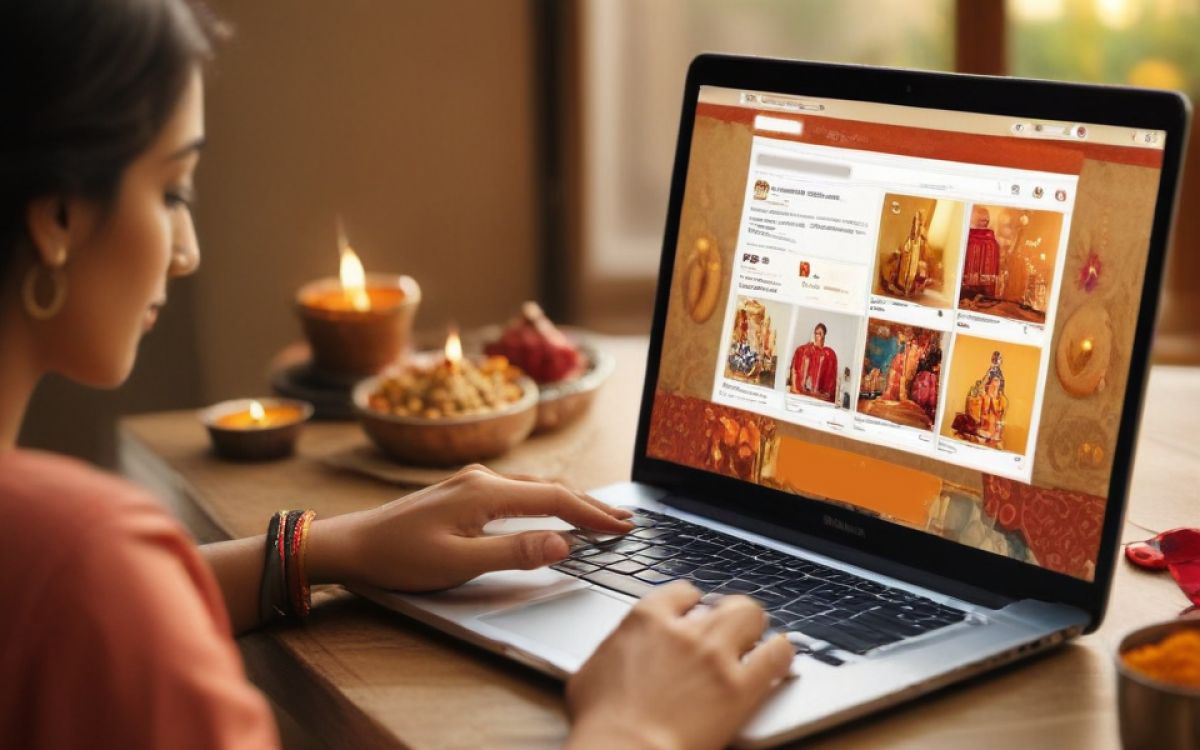
Festivals in India influence not only cultural celebrations but also economic activity across multiple sectors. Seasonal traditions often guide purchasing decisions, travel plans, and financial habits among households. During major festive periods, consumer confidence rises, encouraging families to make planned purchases and participate in celebratory spending. From jewellery shopping and travel bookings to entertainment activities, festivals linked to Hindu traditions play a significant role in shaping annual spending patterns and driving momentum in various industries.
Festivals and the Tradition of Gold Buying
Gold purchases are deeply associated with many Hindu festivals such as Akshaya Tritiya and Dhanteras. These occasions are traditionally viewed as auspicious times to buy valuable assets, especially gold jewellery and coins. Families often plan purchases months in advance, treating gold as both a cultural symbol and a financial asset.
Jewellery retailers typically experience increased customer footfall during festive seasons. Special offers, new collections, and extended store hours reflect heightened demand. For many households, buying gold during festivals represents prosperity and long-term financial security rather than impulse spending.
Airline Bookings Rise During Festive Travel
Festivals often bring families together, leading to a surge in travel across the country. Many people working in metropolitan cities return to their hometowns to celebrate with relatives. This seasonal movement significantly increases bookings for airlines, trains, and other transportation services.
Airlines frequently introduce additional flights or adjust schedules to accommodate festive demand. Early travel planning becomes common as travellers aim to secure convenient tickets. The increase in passenger movement also benefits tourism destinations, hotels, and local businesses that cater to holiday travellers.
Impact on Retail and Consumer Markets
Festive periods are considered peak shopping seasons in India. Households purchase clothing, electronics, home décor, and gifts as part of celebrations. Retailers align marketing campaigns with festival themes, encouraging consumers to buy products through discounts and bundled offers.
Online platforms also witness higher activity during festivals. Digital payments and promotional sales events make shopping accessible to a wider audience. The emotional connection associated with gifting and celebration plays a strong role in driving consumer decisions.
Lottery Participation and Festive Optimism
In some regions, festive seasons see increased participation in authorized lottery systems. Festivals often symbolize new beginnings and positive expectations, which encourage people to try their luck during celebratory periods.
Lottery sales tend to rise because individuals associate festivals with hope and opportunity. Participation remains a form of entertainment for many households, reflecting optimism linked to cultural celebrations rather than purely financial motivations.
Financial Planning and Festive Funds
Many families prepare for festival spending by setting aside savings throughout the year. Creating a dedicated fund for celebrations helps households manage expenses responsibly while enjoying traditions fully. Planned budgeting ensures that festive purchases do not disrupt long-term financial stability.
Banks and financial institutions often introduce festive savings schemes or promotional offers aligned with consumer demand. These initiatives encourage structured spending while supporting economic activity during peak seasons.
Role of Cultural Values in Spending Decisions
Spending during festivals is influenced by cultural values rather than impulse consumption alone. Traditions emphasize sharing, gifting, and community bonding. Families invest in experiences that strengthen relationships, such as hosting gatherings or travelling together.
The cultural importance of festivals ensures that spending patterns remain consistent year after year. Businesses across industries prepare for these predictable cycles by adjusting inventory, marketing strategies, and service offerings.
Boost to Tourism and Hospitality
Festival travel also strengthens domestic tourism. Cities known for grand celebrations attract visitors eager to experience local traditions. Increased demand benefits hotels, restaurants, transport providers, and event organizers.
Air travel growth during festivals highlights how cultural calendars influence business planning for airlines. Tourism boards and travel companies often promote festival-based travel packages, encouraging exploration of regional celebrations.
Digital Commerce and Changing Consumer Behavior
Technology has transformed how people participate in festive shopping. Online marketplaces allow consumers to compare prices, explore new brands, and make purchases conveniently. Digital promotions aligned with festivals have expanded consumer participation beyond physical markets.
Despite changing shopping methods, the cultural motivation behind spending remains rooted in tradition. Festivals continue to shape when and how consumers choose to buy, demonstrating the enduring connection between culture and commerce.
A Cultural Driver of Economic Activity
Hindu festivals influence consumer behavior across jewellery, travel, retail, and entertainment sectors. Increased gold purchases, higher airline bookings, and seasonal participation in lottery activities highlight how cultural traditions drive economic momentum.
By combining celebration with planned spending and financial preparation through dedicated fund management, festivals contribute to both personal joy and broader economic activity. These patterns show how cultural heritage continues to shape modern consumer habits in meaningful and predictable ways across India.